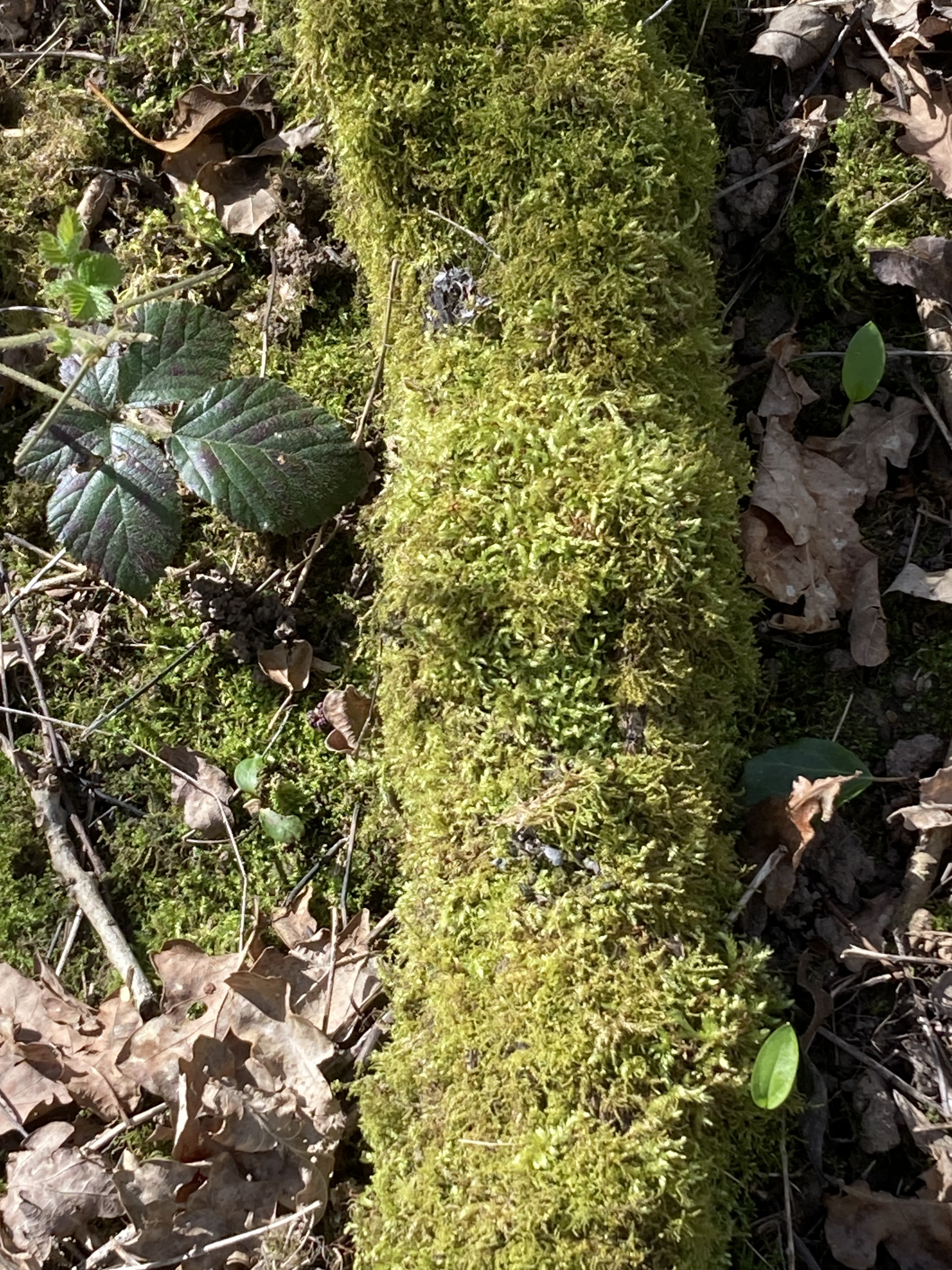
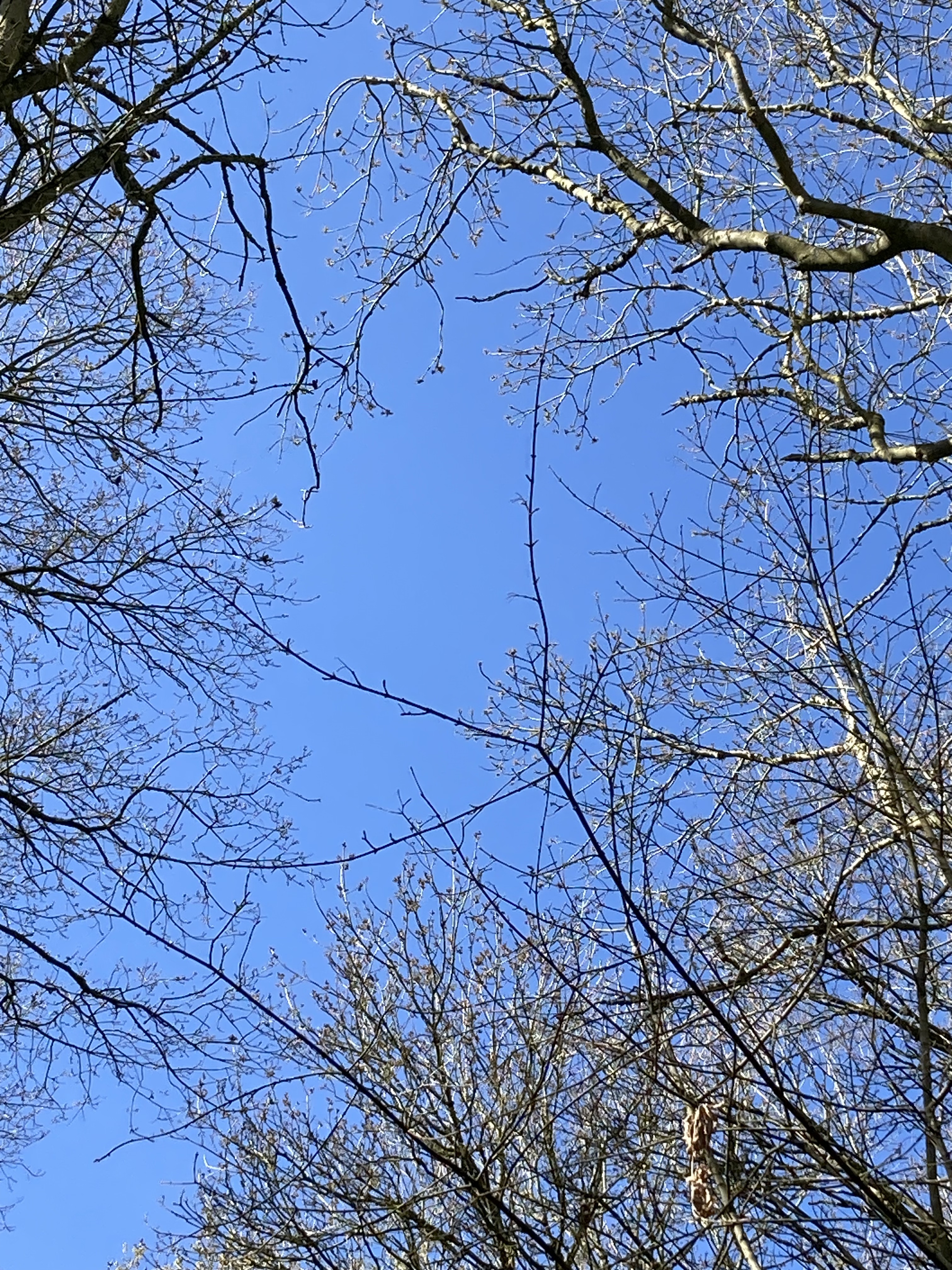
In my work that explores the woodlands of my childhood, I am also searching for different contexts. I look at the different ways the work in its visual forms can be read and understood, of course. But I am also interested in the way that the processes and research can be read too.
I look at the way that other people exist in those woodlands. What are they doing? Thinking? Do they consider that they are doing anything other than walking the dog or “getting a bit of fresh air”? I am interested in the way that people take the same routes… day in… day out… every single time. The way they wear a groove in the landscape, or add to the groove that is already there, made by thousands of others. Is this ritual? Do they consider it so?
Do people notice what is around them?
Do they pick up a stone or a twig (as I do) to take home?
Do they then leave it by the front door door (as I do)?
Because the purpose is in the noticing and selecting, not actually in the owning.
Do other people linger, like I do? (Particularly when I am on my own)
There is a relationship to time that I am considering.
Does time go fast because we live it fast?
The days that whizz by are the days when we cram a lot in: errands, work, something social, shopping, caring for family, school runs, deliveries, fast food, rushed showers, housework… the more we do, the less time we seem to have experienced.
A day spent lingering, becomes longer if we let it: a long soak in the bath, eating a slower, bigger breakfast, walking instead of driving, country instead of town… surrounded by green instead of grey. Pause to watch the world go by, whether that is a coffee by yourself somewhere quieter, where you can sit outside and listen to the birds, or the laughter of children. Somehow these hours are longer, slower, and they sink into our bones because we keep still for a bit longer. By consciously noticing as we walk slower through the woods, we feel the passing of time differently to when we march purposefully towards the pub. Our memory works differently. Instead of taking a photo of a bit of moss or a gnarly twig, if we pick it up, feel it, smell it, put that weirdly shaped stone in our pocket to feel it between our fingers as we walk, the memory lasts longer.
I try to make as many unmediated memories as possible. Less phone, more drawing, listening, singing along, more smelling and squishing things between my fingers.
My current focus is on the childhood where I didn’t have a phone or camera. Photos are easily forgotten. We now outsource our images and store them externally.
By finding a hollow in a fallen branch, or a flattish stone, I can collect seeds and mud and leaves and petals and grind them together to make impossible potions that push an unmistakeable smell into my nostrils. I repeated this action on at least a weekly basis between the ages of four and twelve… possibly later, but gradually less frequently. I didn’t see such natural play as ritual, but I do now. If I do this as an adult I am transported. It is comforting, reassuring. I am safe. Byung-Chul Han in The Disappearance of Rituals says that rituals are stabilising, reassuring through their repetition. They provide mutual resting points and commonality in communities. Rituals are so very human. In times where organised religion in the UK is seeing a downturn in popularity, we seek these rituals elsewhere.
So as I prepare for a day of wood-wandering, lingering, noticing… I have half an eye on whether what I am doing is already ritual, or with repetition, can be turned into ritual, to be revisited to evoke the same feeling of rest at a later date. I linger and ponder longer, in order to let the senses seep into my bones and my blood stream, to lodge into my brain…