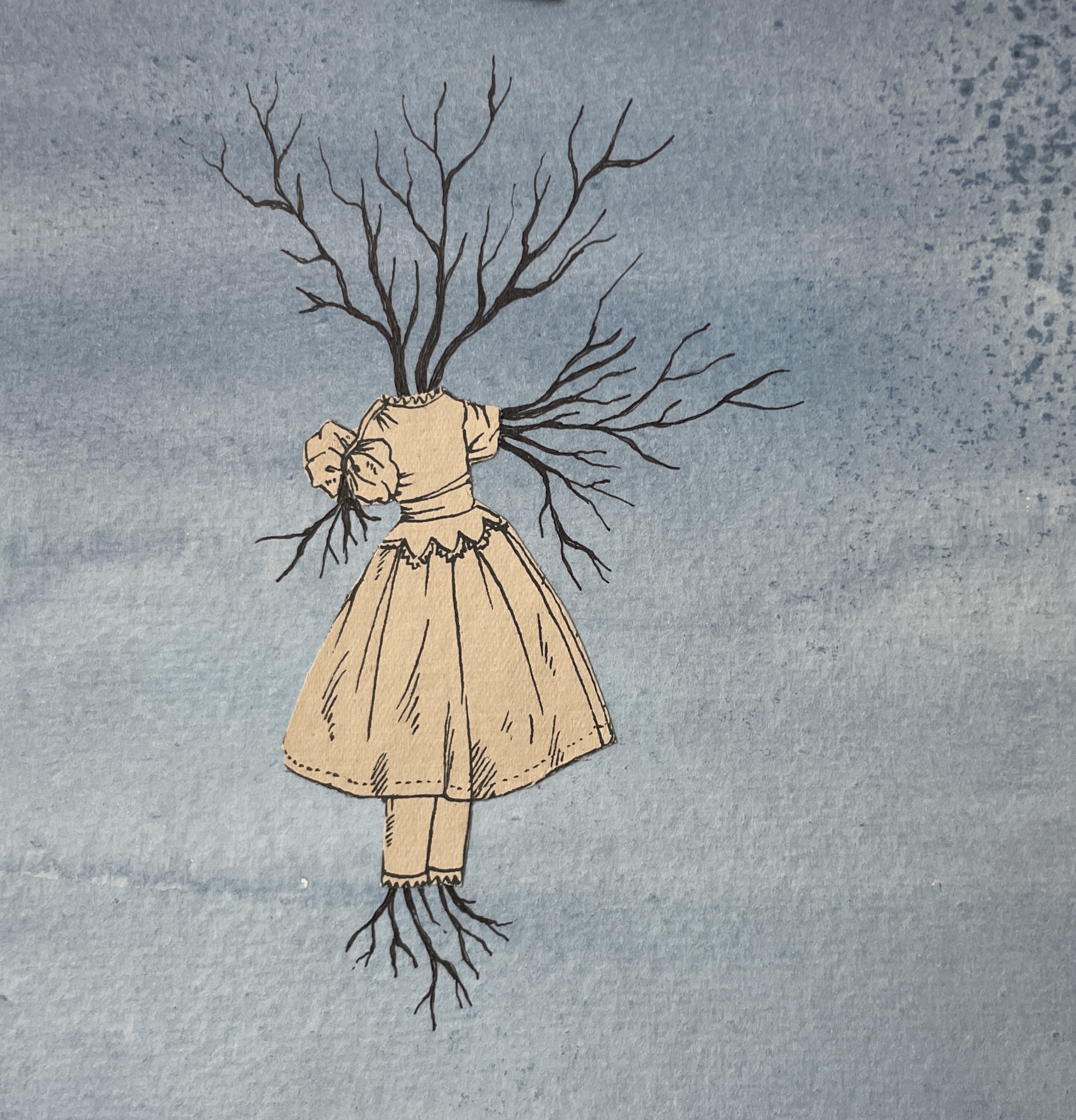
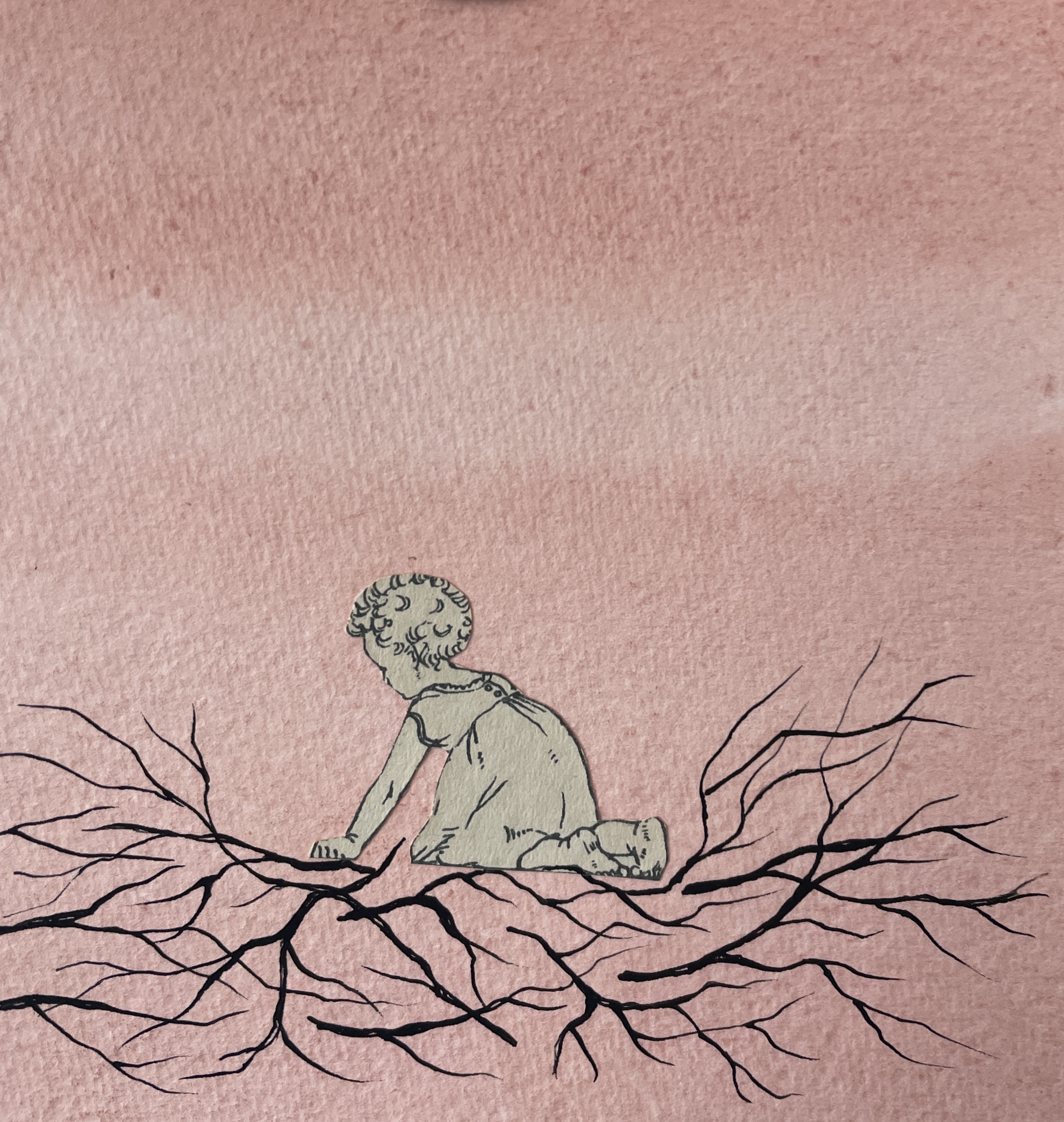
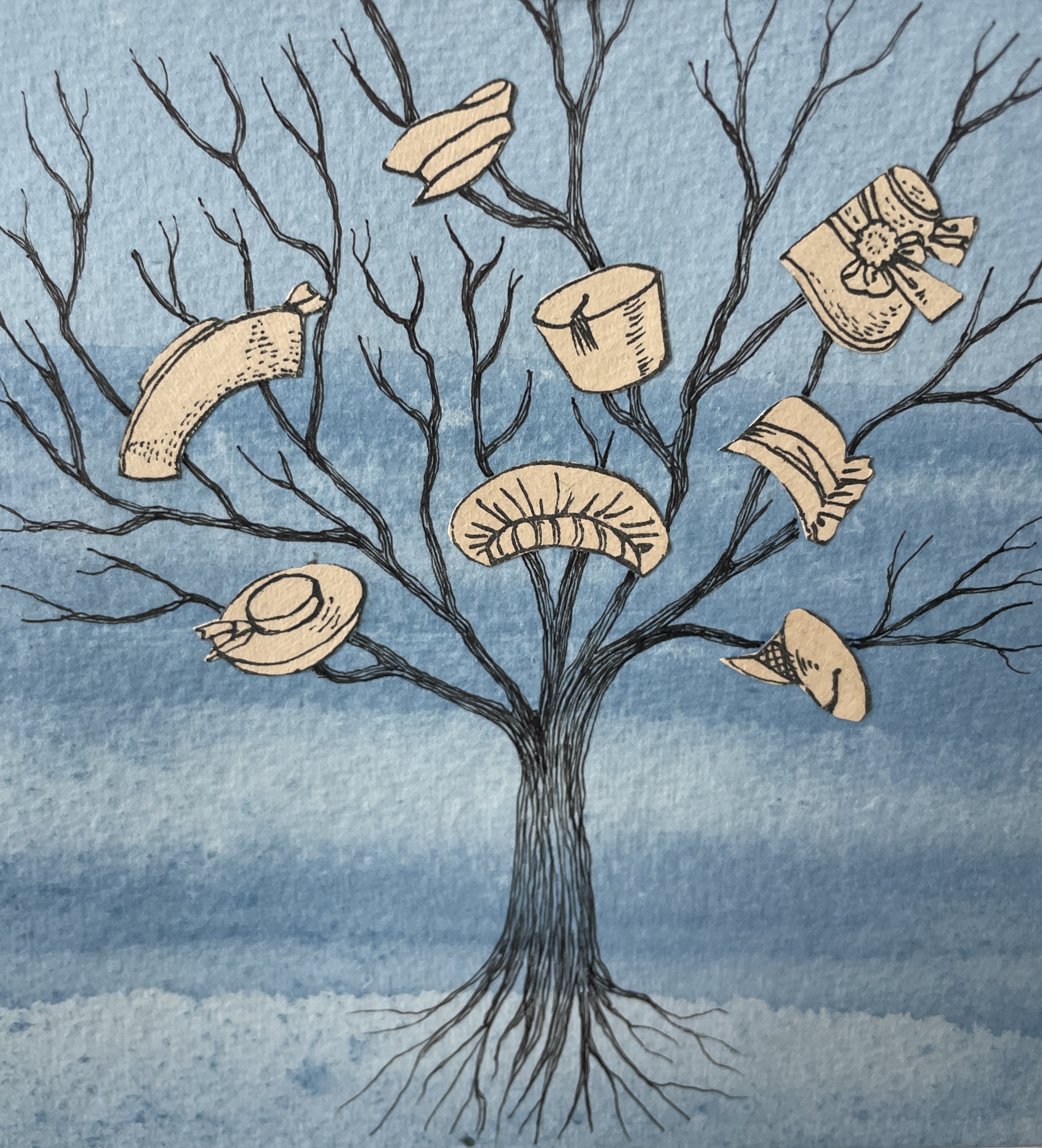
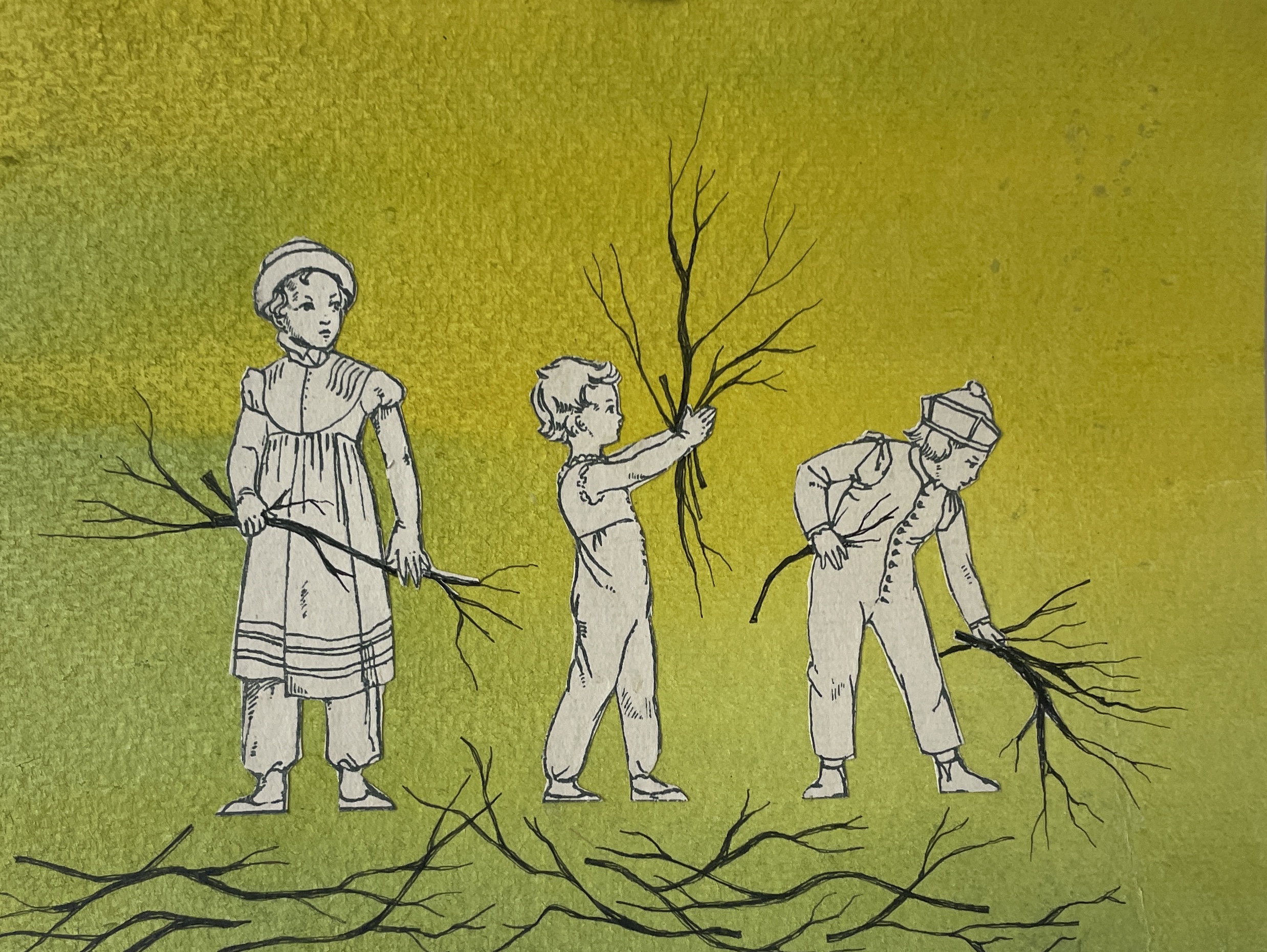
I look at new work on my studio wall. It is new, a slightly tangential shift from what has gone before.
I ask myself “but what does it mean?”
I think this might be the wrong question.
I’ve just read this on Substack:
And I’m now wondering if this is a translation issue.
Because this work means plenty to ME. It has grown out of my brain, following a line/network of previous makings and writings. I am confident of its fitness in terms of my own practice. Its makings came out of me, and my own “carrier bag”.*
Is the correct question then “does this convey meaning to others?” And a subsequent “does it matter if meaning perceived by others matches mine?” (Or a more dismissive “Why does meaning matter anyway?”)
I hope for a yes to the first, but the rest is a bit hazier. It’s tangled up in all sorts of things. Of course it’s great if people find their own meaning, spend time looking at the work.
But how great it is when they really get it? When they can see the metaphor, extrapolate, and apply something of it to themselves!
If I tried to make work deliberately to provide meaning to others it would be pointless for me. I would have no motivation to make it.
In the above Substack post Pablo Helguera says that
“for artists curators, historians and critics alike, this means approaching every context with the awareness that no work speaks in a single language. Every artwork is embedded within multiple, overlapping systems of meaning: local histories, shared cultural references, institutional discourses, and international conversations. Some of these languages we may already speak fluently. Others require patient listening, careful translation, and the humility to recognise we remain outsiders”
For this current body of work I do find myself going deeper into my childhood. At the moment the earlier years, pre age ten I’d say… before puberty with all its distractions and confusions started knocking at my door. A purity of precious childhood… in examining that, I examine my experiences of being parented. (And count myself lucky)
As a grandparent now, I can also see my own parenting, and can see clearly what I valued in my own childhood, and how I tried to recreate that for my own children. I think at the time, this is instinctual rather than planned. There isn’t time for much discourse on policy among the actual day-to-day doing. But I’m gratified to see some of it has recognisably seeped through to my grandson. His parents in my eyes are doing a great job in giving him a wonderful, loving, nurturing childhood… with plenty of time in the woods.
So I think my work is for myself and those closest to me. It would be lovely to have an effect on the wider world, to find recognition, a whole heap of people getting it and appreciating it. But I am realistic enough to know that this is unlikely. Not impossible, but unlikely.
The (perceived) important viewers see the work in light of their own experiences, their own education and might judge it accordingly. Under certain lights my work might be viewed as unfavourable for these important people.
I am aware that my current work and explorations of my childhood have brought to the fore my own feelings of otherness. It actually helps to understand things from a different aspect. That there are many ways to be other and experience otherness.
The strangeness of the work that is hanging on my studio wall at the moment, I actually find comforting. Maybe other people will too. Their sort of otherness might be a different breed to mine, but we can talk about what it means to us, in a language we can all understand.
This probably won’t be Esperanto, but we’ll muddle through.
*Referring to The Carrier Bag Theory of Fiction by Ursula K LeGuin